
The Effects of Alcohol on Health and Behavior
For some people, drinking alcohol may seem like something reserved only for leisure and social occasions. However, when alcohol becomes part of the work routine—especially in construction activities—the risk is no longer limited to the individual but extends to everyone around them.
Alcohol affects the body, the mind, and decision-making abilities. Even in small amounts, it can impair attention, balance, reflexes, reasoning, and reaction time. This means that someone under the influence of alcohol may take longer to recognize a hazard, misjudge distances, operate equipment unsafely, or react too late in dangerous situations.
The health consequences are equally significant. Frequent or excessive alcohol consumption is associated with numerous health conditions, including liver disease, cardiovascular disease, certain types of cancer, mental health disorders, alcohol dependence, and an increased risk of injuries caused by accidents. According to the Pan American Health Organization/World Health Organization (PAHO/WHO), alcohol is a risk factor for more than 200 diseases and health conditions, including cancer, cardiovascular diseases, liver disorders, mental health disorders, and injuries.
In addition, alcohol can negatively affect sleep quality, mood, family and social relationships, physical well-being, and performance the following day. Therefore, the problem is not limited to the moment of consumption. Its effects often continue afterward, reducing concentration, increasing fatigue, and compromising the ability to work safely.
Risks in the Workplace and on Construction Sites
In the workplace, this issue requires even greater attention. Brazil’s Superior Labor Court has recognized alcoholism in the workplace as a serious issue that can lead to job loss, medical leave, the need for treatment, and significant impacts on workers’ lives. This demonstrates that alcohol-related issues should never be treated as a joke or a harmless mistake. It is a matter of health, safety, and responsibility.
On construction sites, the risks are even greater. The work environment involves machinery, tools, vehicles, material handling, pedestrian traffic, uneven terrain, excavations, heavy equipment, and situations that require constant attention. In this setting, even a single mistake can result in serious accidents.
Poor judgment, slower reflexes, or a moment of distraction can endanger not only the person who consumed alcohol but also coworkers, supervisors, drivers, equipment operators, inspectors, visitors, and anyone else nearby. For this reason, working under the influence of alcohol should never be considered a personal issue. It is a behavior that can compromise the safety of the entire team.
Company Rules and Preventive Measures
Workplace safety depends on responsible choices. Wearing personal protective equipment (PPE) correctly, following safety team instructions, complying with construction site procedures, and remaining attentive throughout the workday are essential practices. However, all these safety measures lose their effectiveness when an employee is under the influence of alcohol.
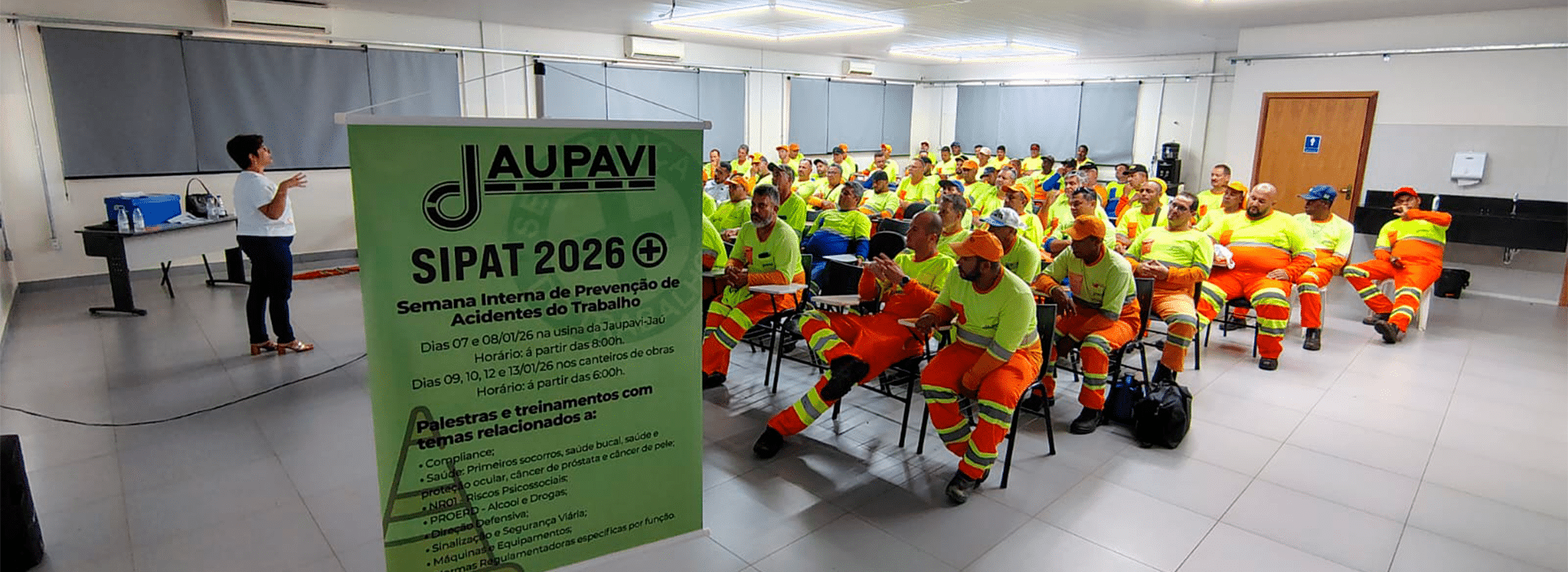
For this reason, Jaupavi reinforces that the consumption of alcoholic beverages is strictly prohibited during working hours and within company accommodations. This policy reflects the company’s commitment to safety, health, organization, and the protection of life. Jaupavi’s Code of Conduct also states that employees are strictly prohibited from reporting to work under the influence of illegal drugs or after consuming alcoholic beverages, as well as consuming alcohol during working hours.
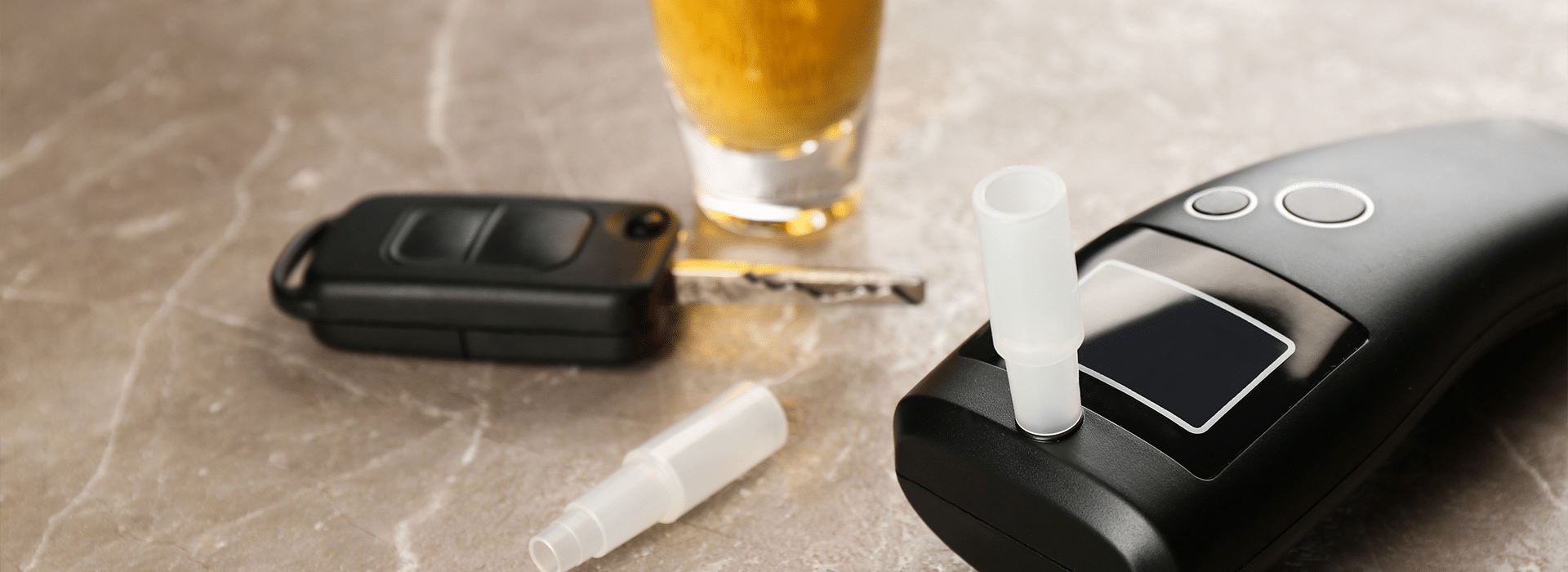
The company conducts regular and random breathalyzer tests on construction sites as a preventive measure. The goal is not to punish employees but to prevent accidents, protect lives, and ensure a safer working environment for everyone.
It is also important to remember that company accommodations are an extension of the workplace and part of employees’ daily routines. Therefore, the same standards of respect, safety, and responsibility must also be followed in these shared spaces. Alcohol consumption in company accommodations can lead to conflicts, inappropriate behavior, accidents, and situations that negatively affect coexistence among coworkers.
Individual and Collective Responsibility
Taking care of your own health also means taking care of your team. Every employee plays an important role in building a safer workplace. By following company rules, avoiding alcohol consumption in prohibited areas, and reporting unsafe situations, everyone contributes to a more responsible work environment.
Safety is more than just a rule—it is a choice made every day.
Whether on a construction site, in company accommodations, or at any work location, each person’s awareness and responsibility help protect everyone’s life.